Photographer Berov I. & Olesya Okuneva
Share
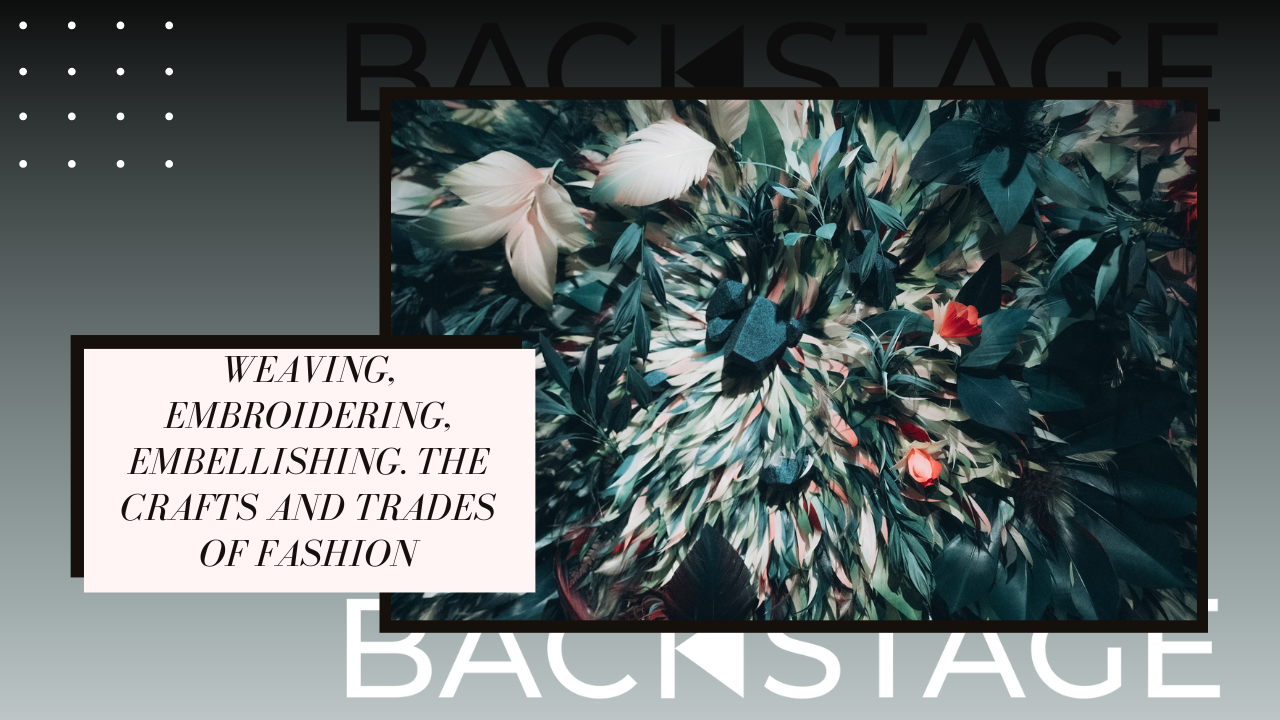
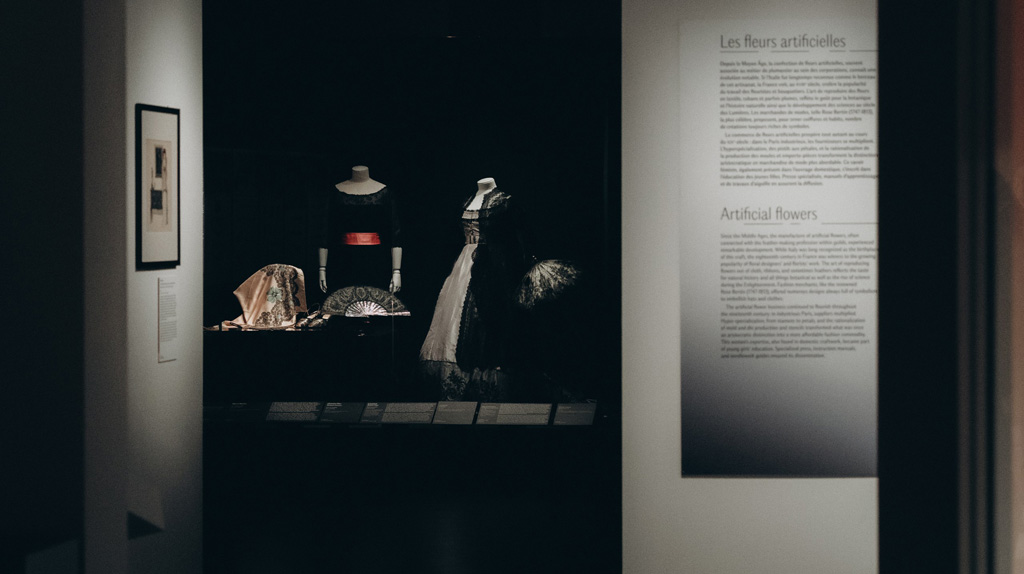
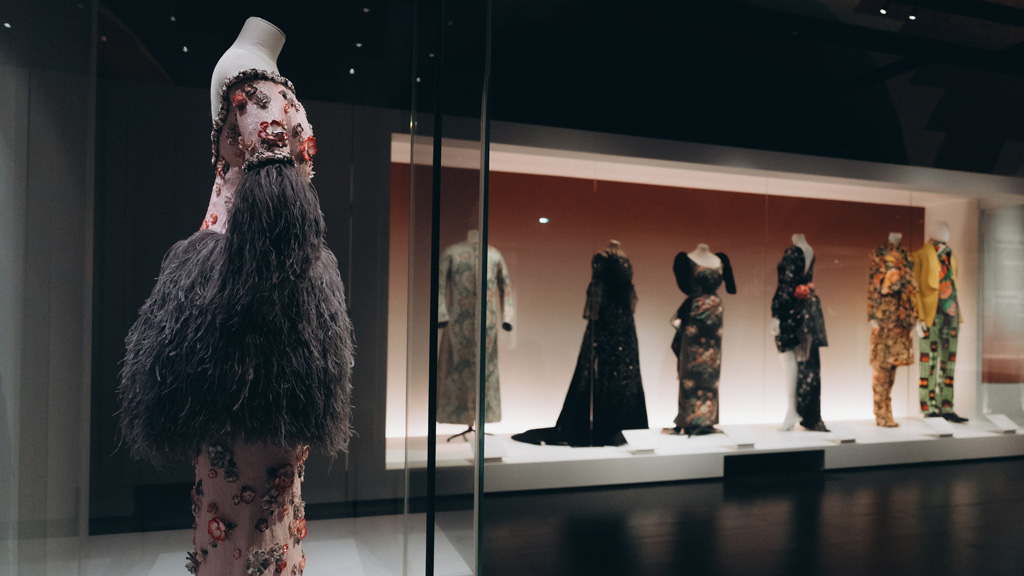
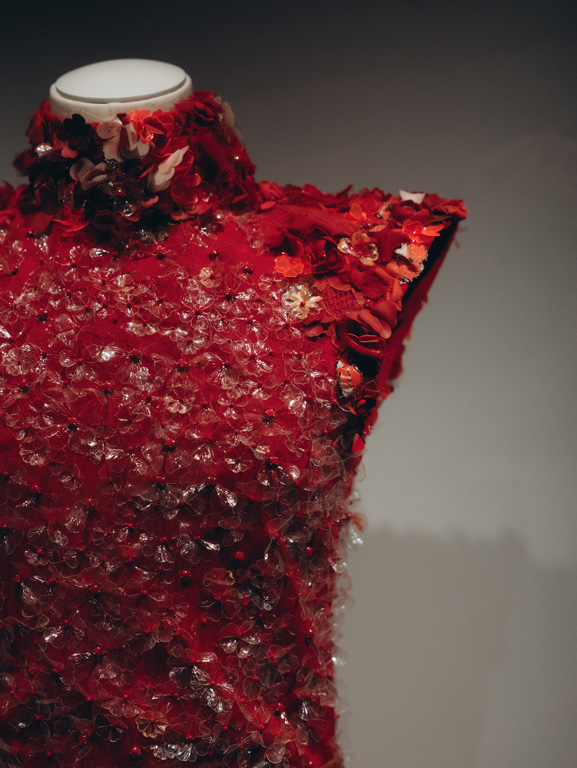
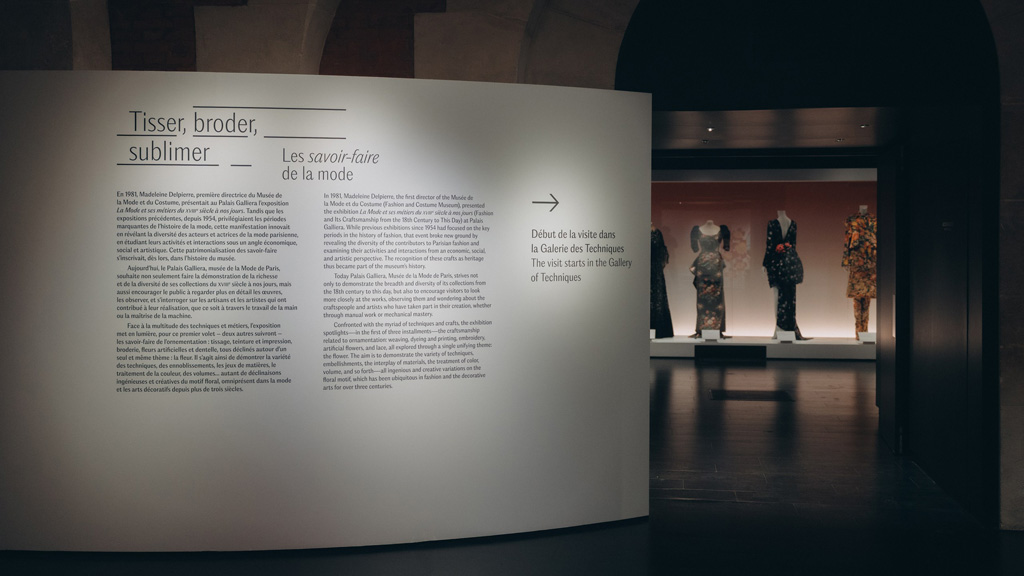
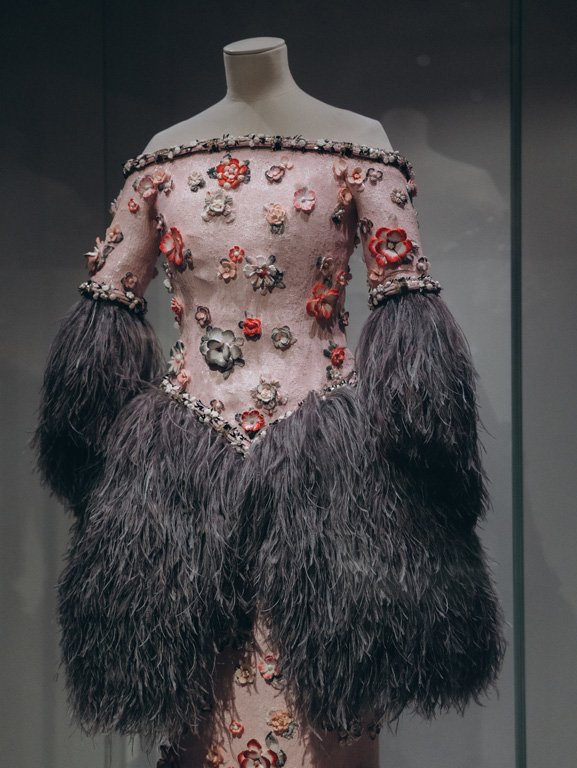
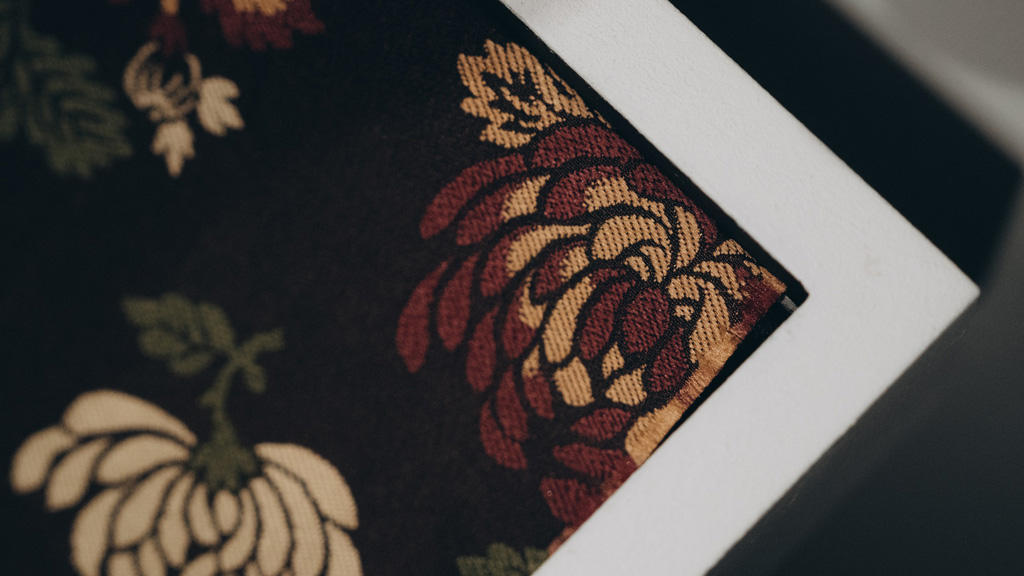
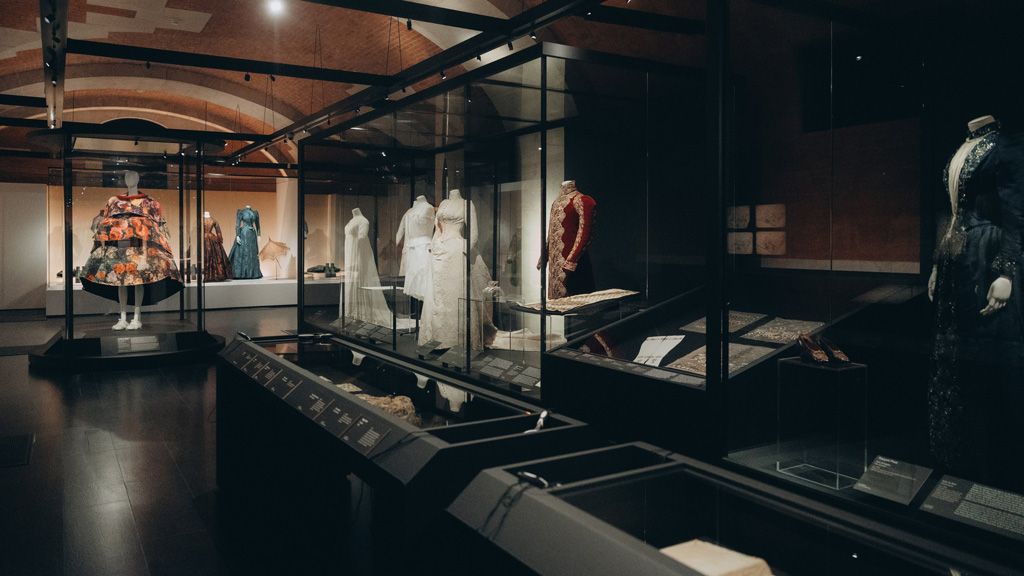
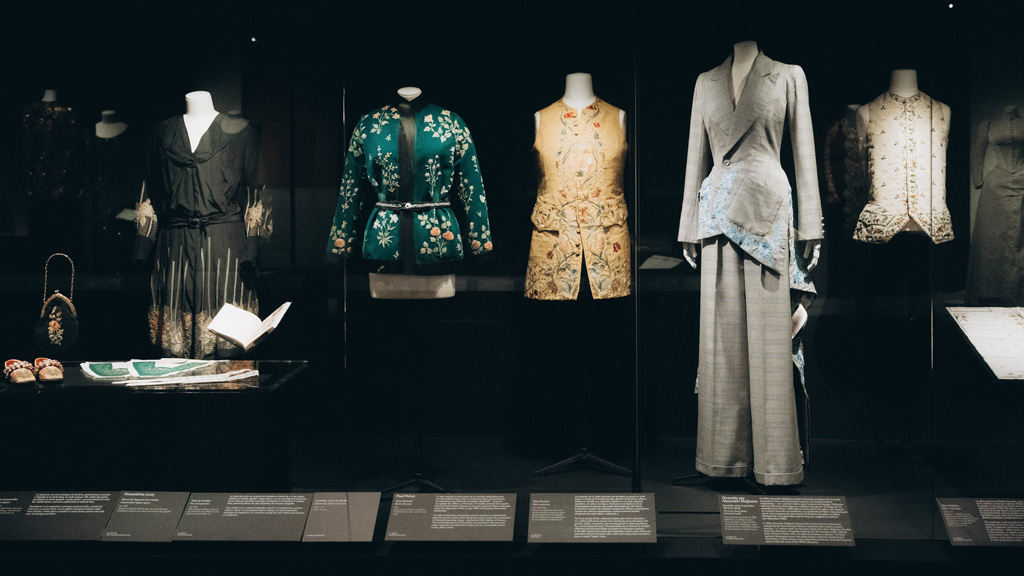
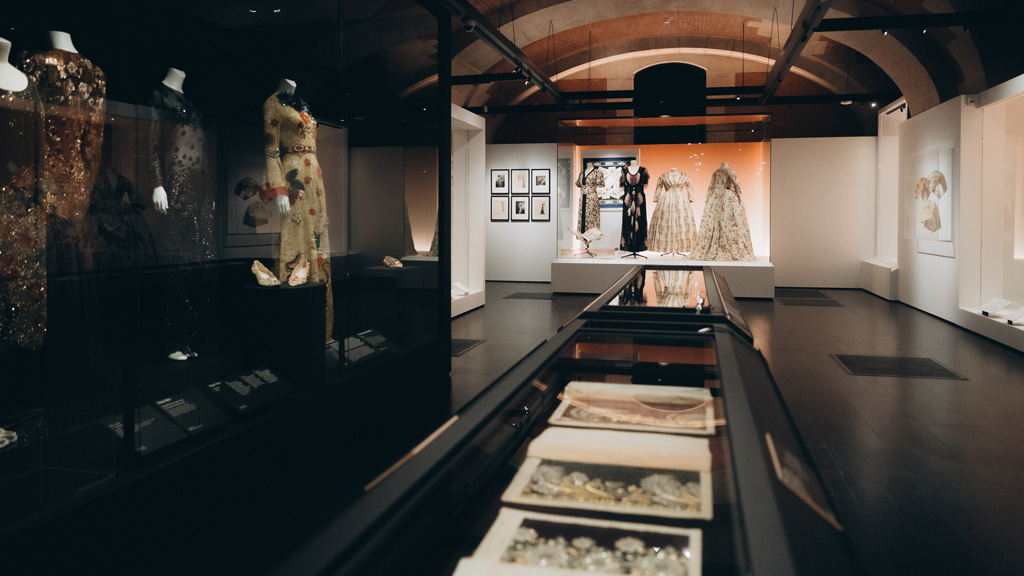
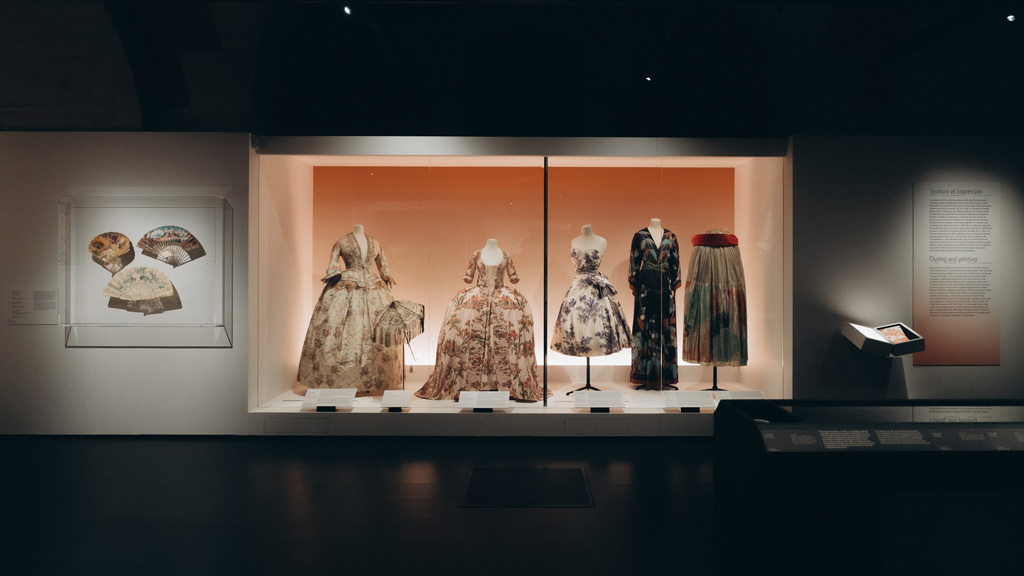
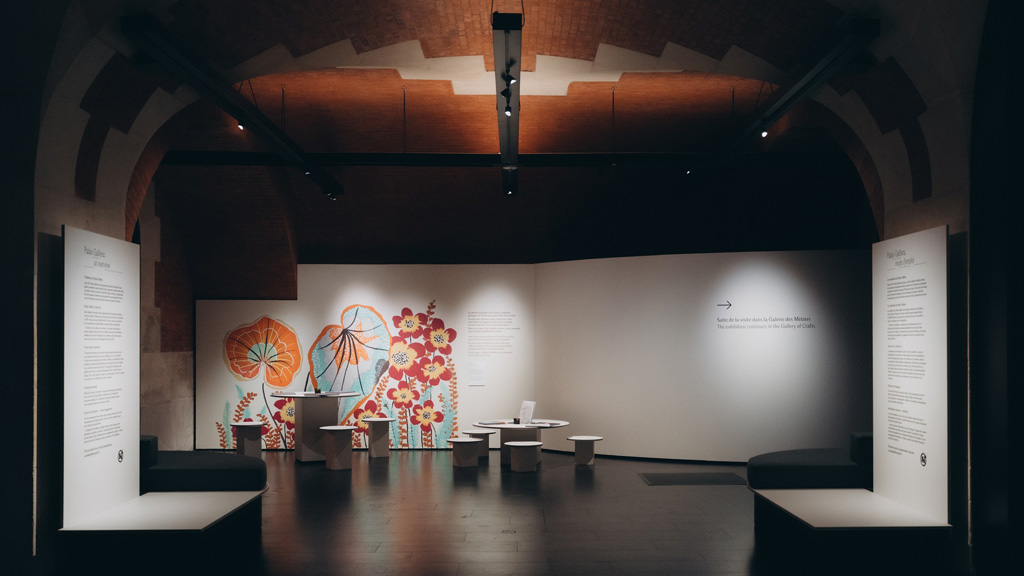
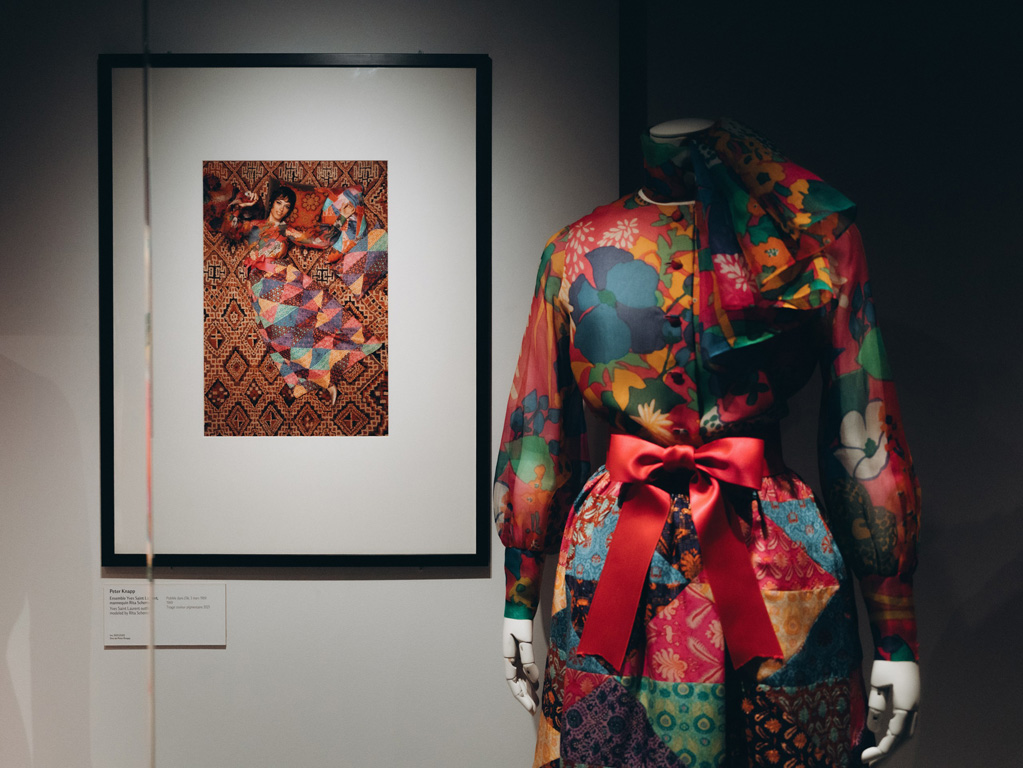
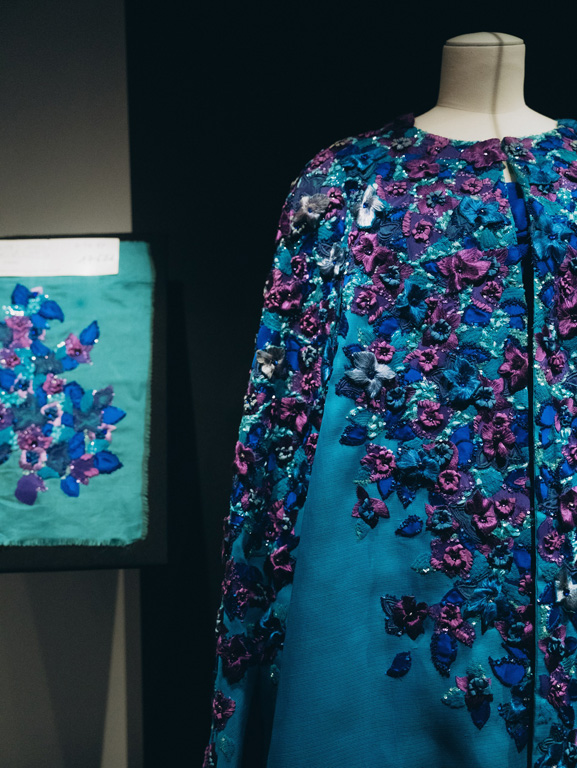
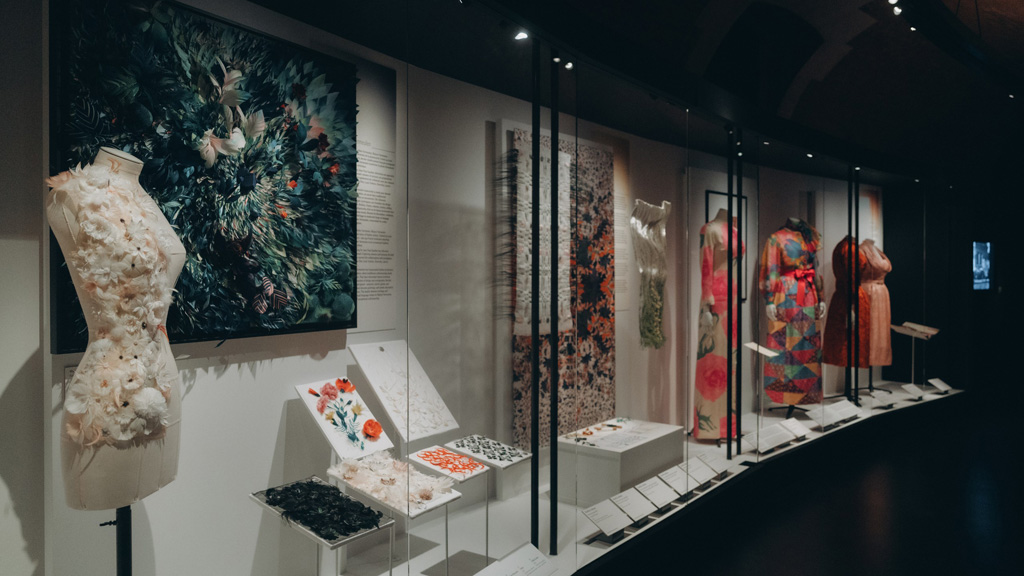
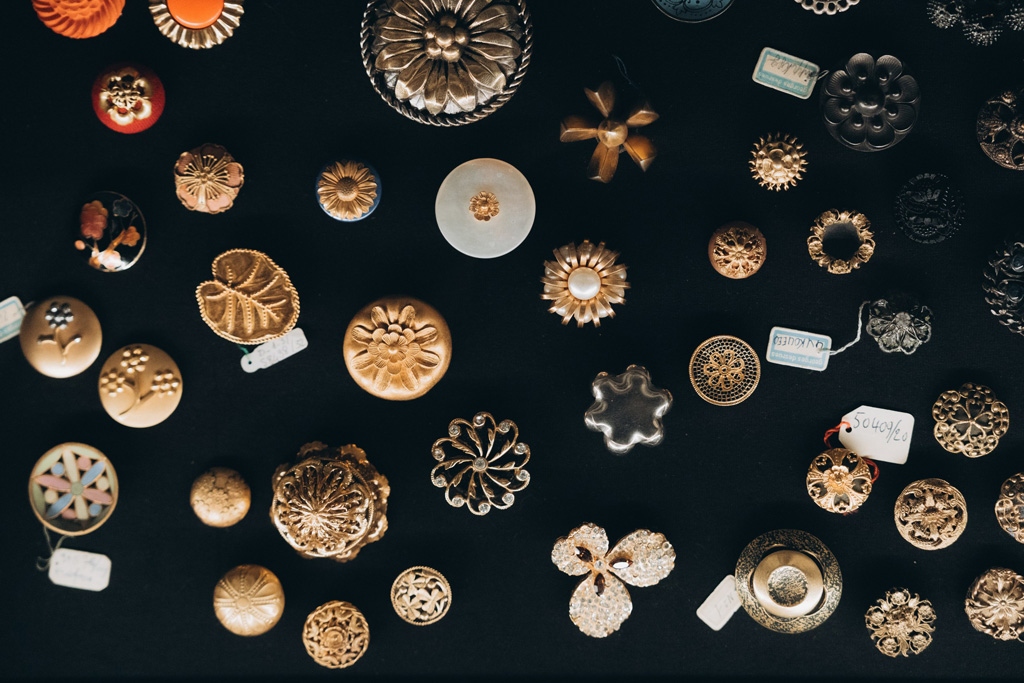
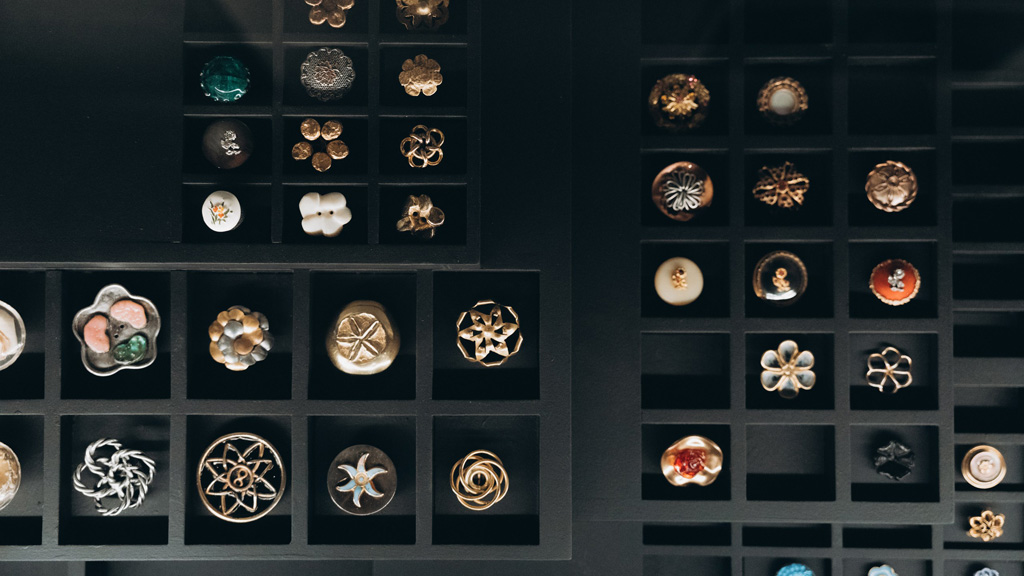
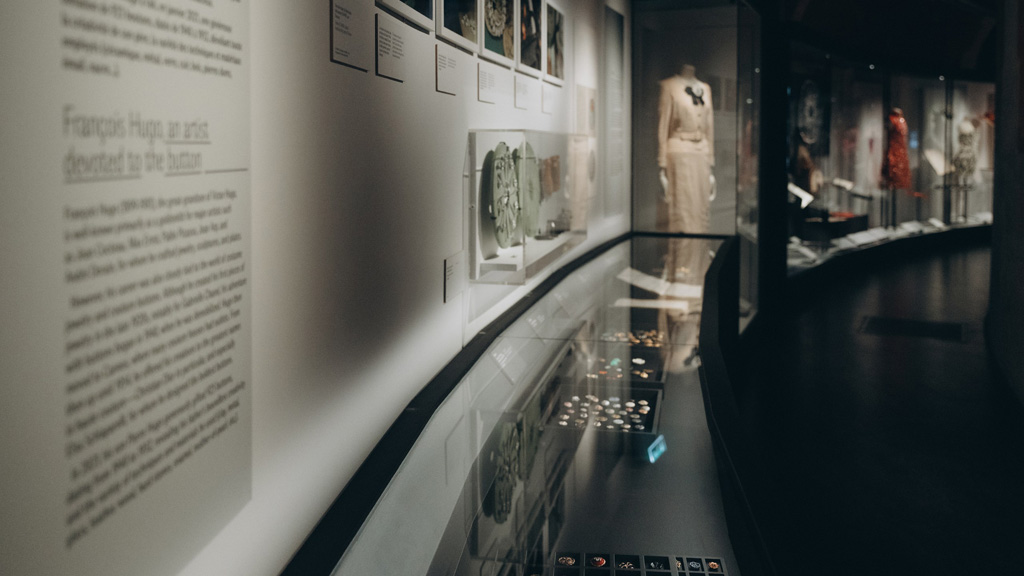
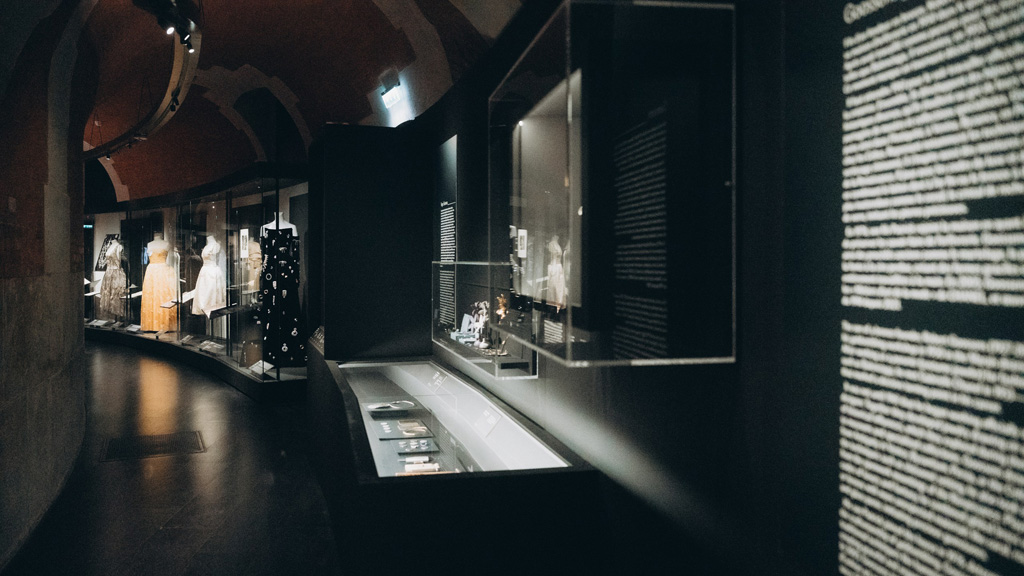
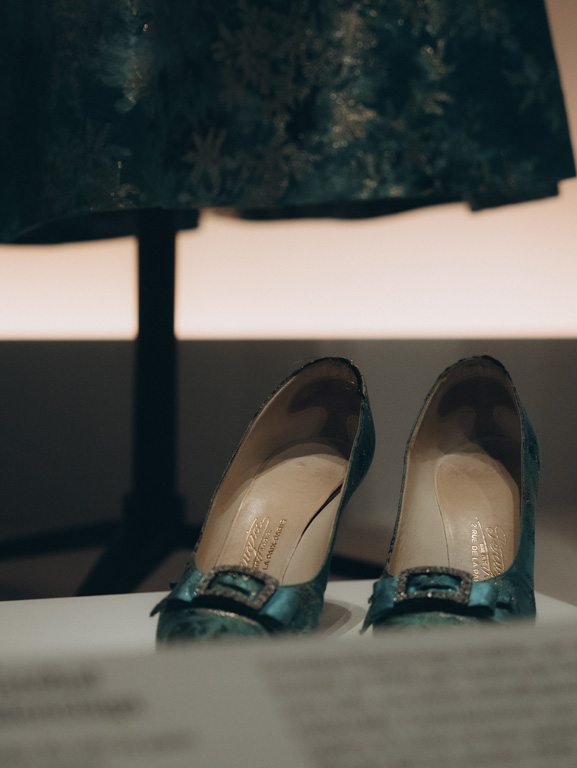
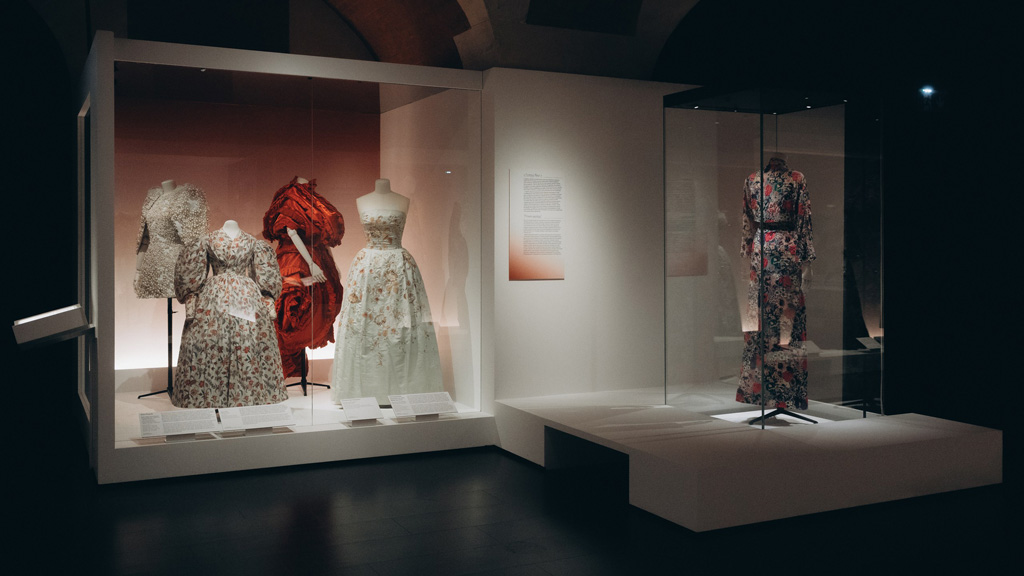
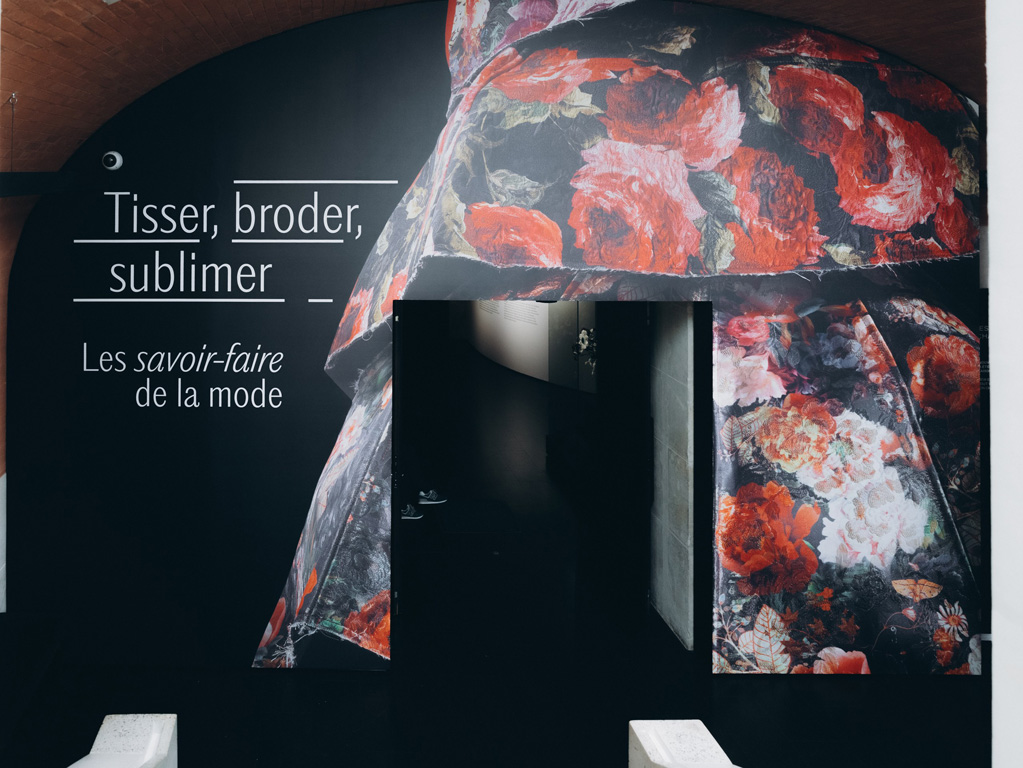
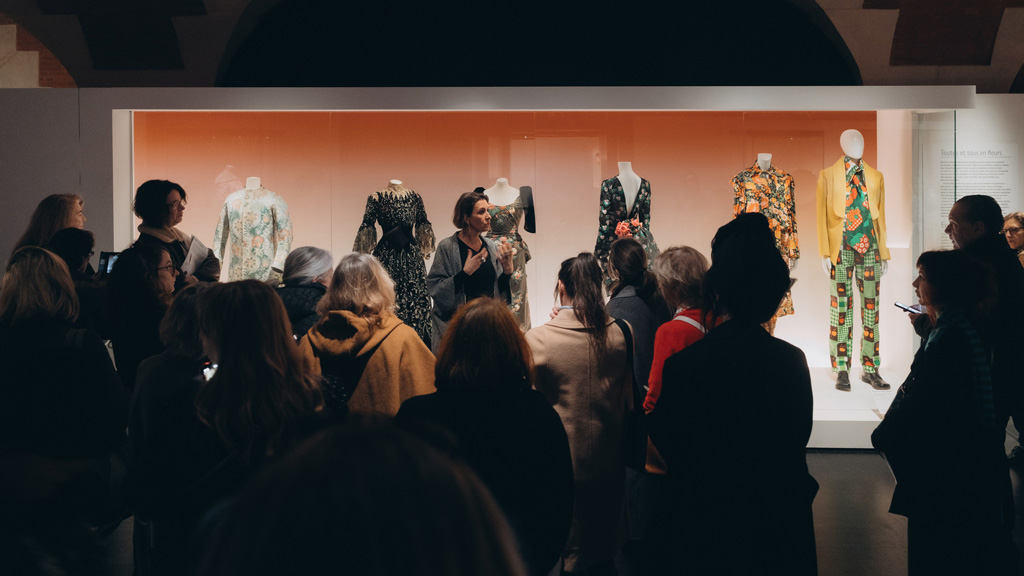
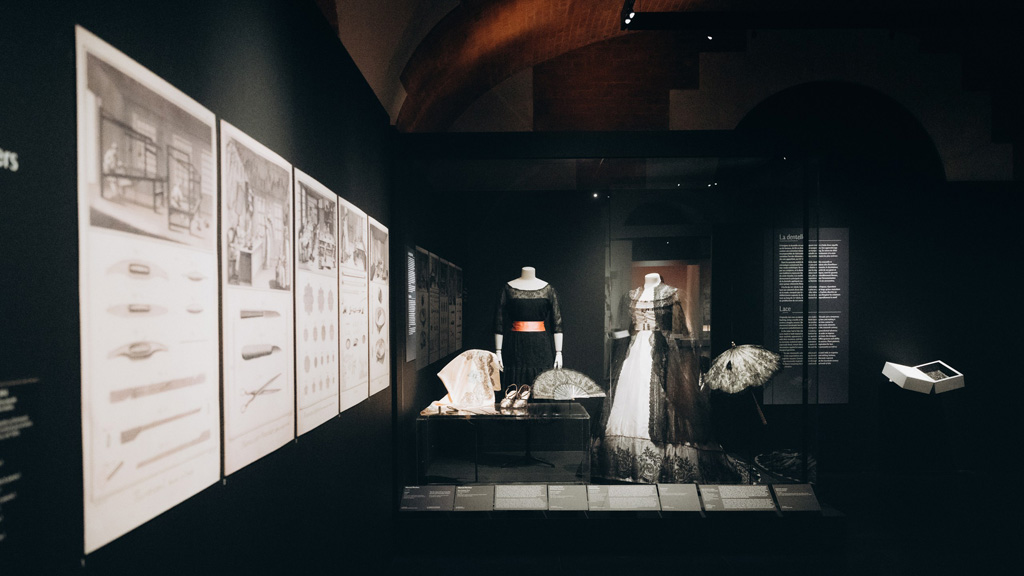
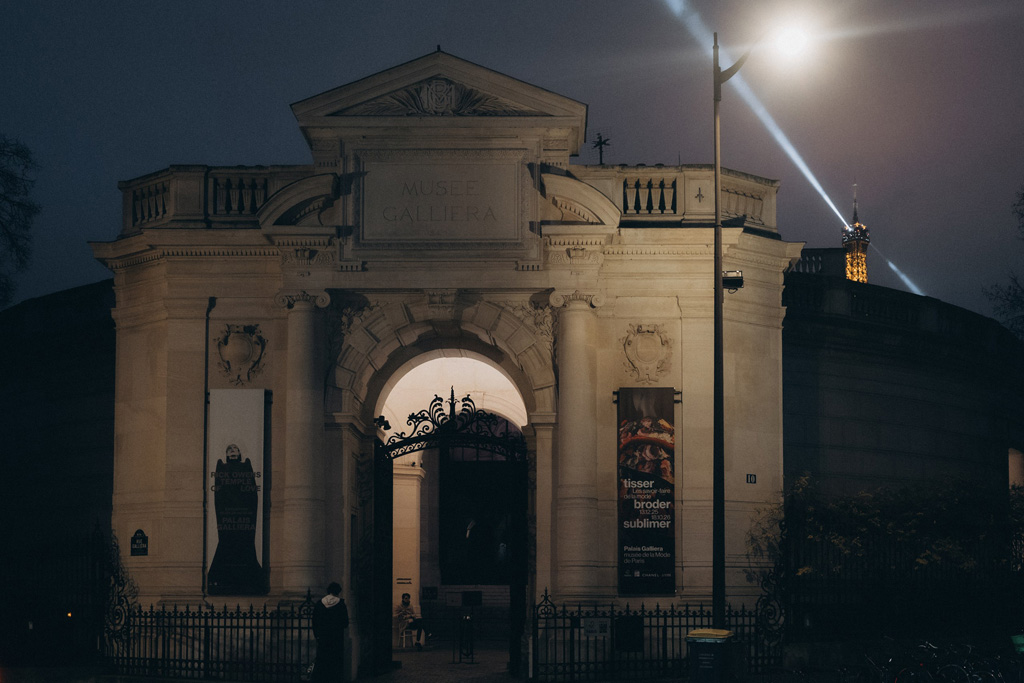
This December the Palais Galliera unveiled a groundbreaking exhibition titled “WEAVING, EMBROIDERING, EMBELLISHING. The Crafts and Trades of Fashion” focusing on ornamentation techniques such as embroidery, brocade, dentelle, and feuilles d’art that have enriched fabrics and clothing.
Curated by Emilie Hamon, Marie-Laure Guiton, and Samantha Jel, this exhibition builds on the legacy of past presentations while encouraging public engagement with the evolution of fashion from the 18th century to the present.
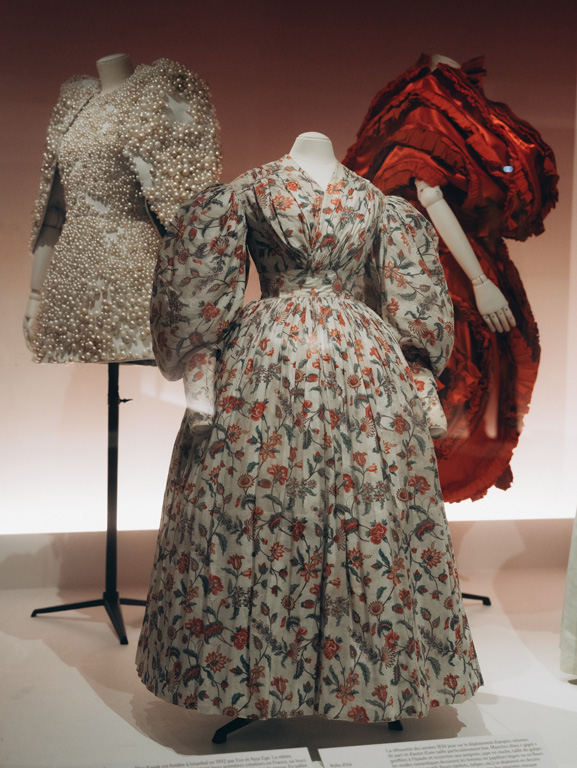
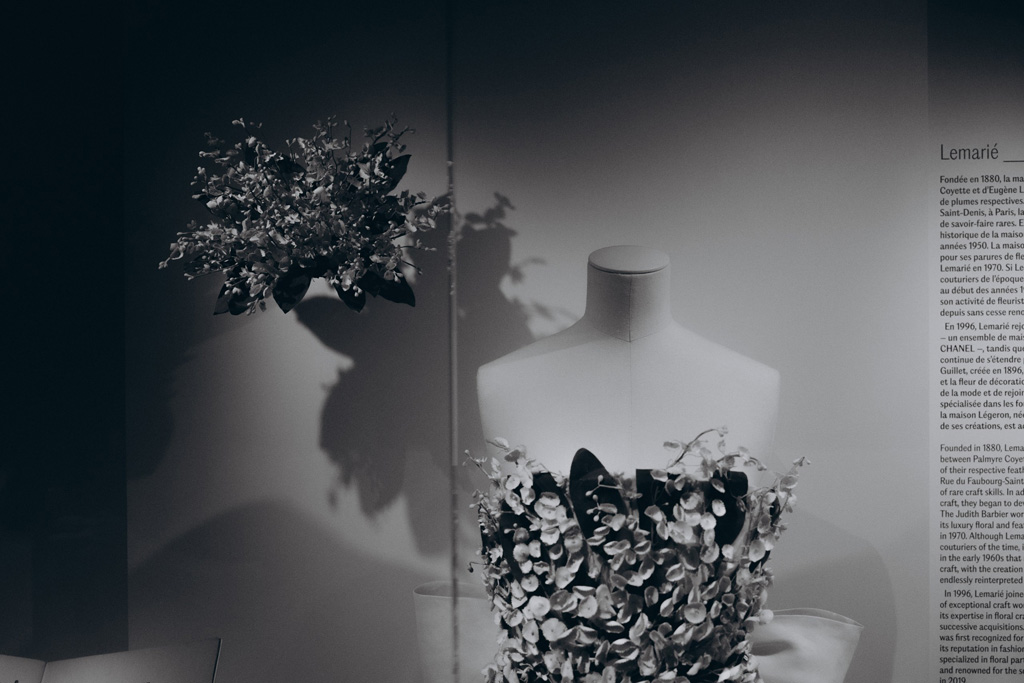
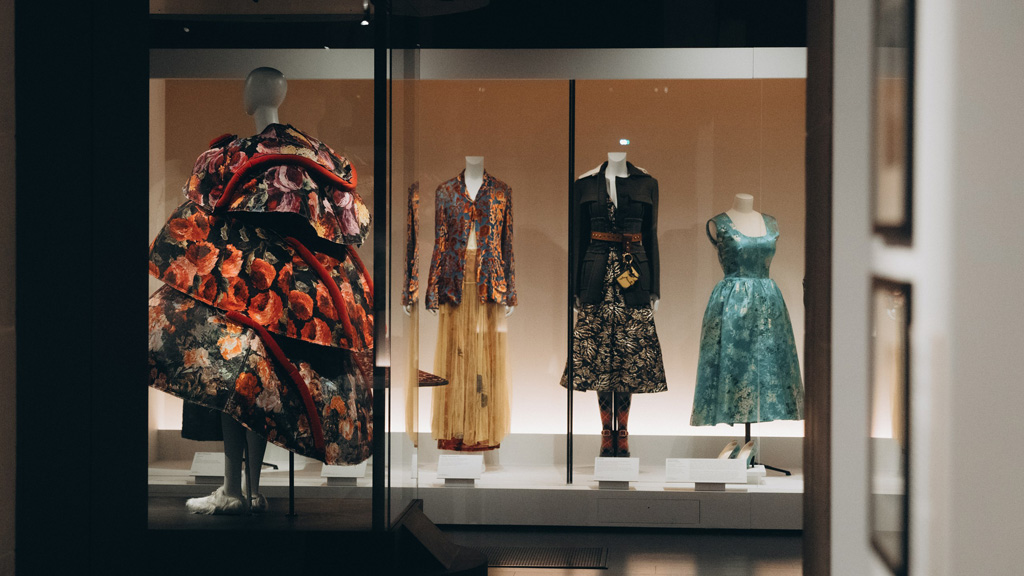
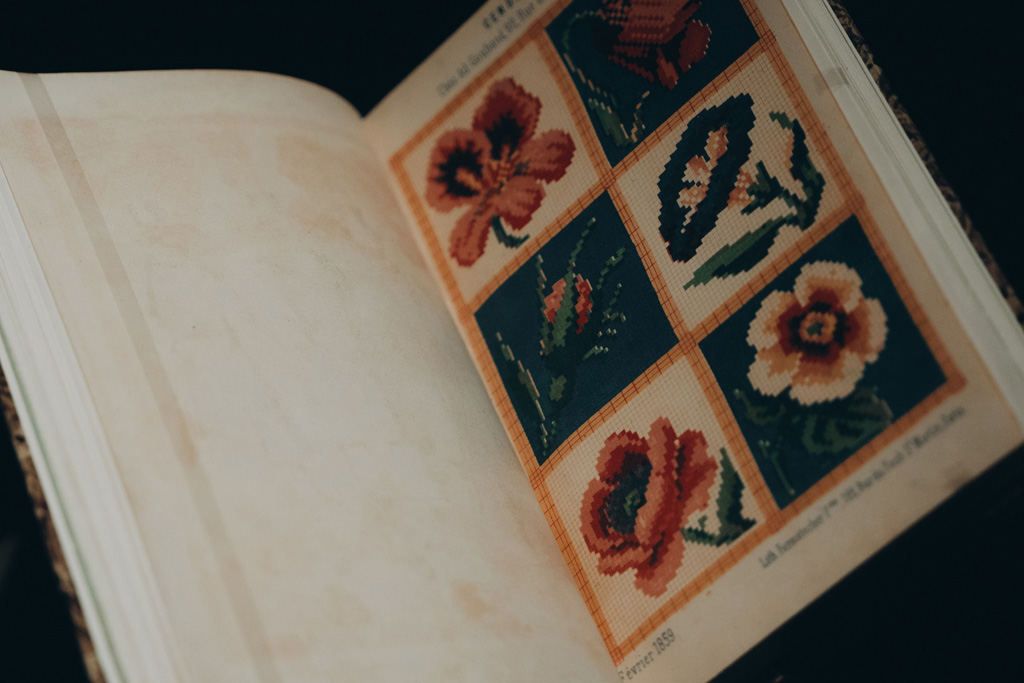
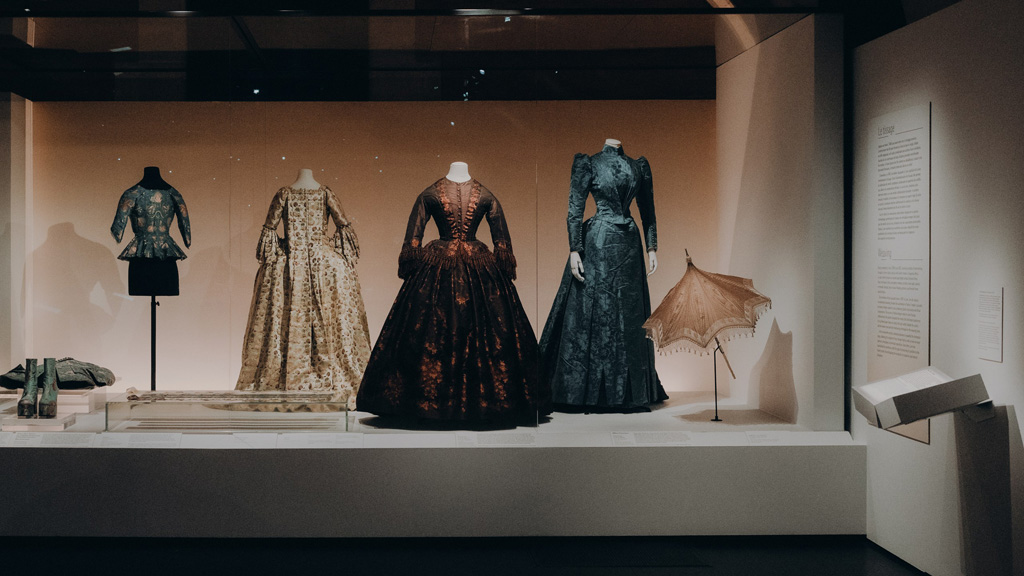
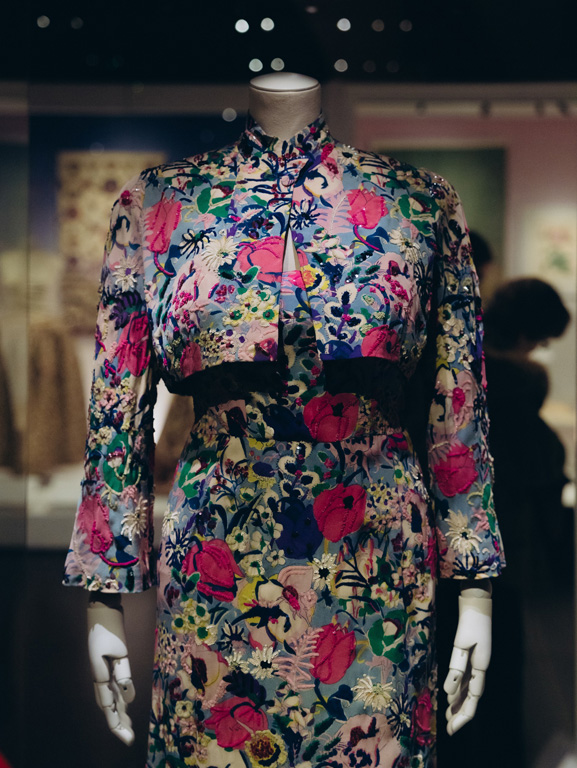
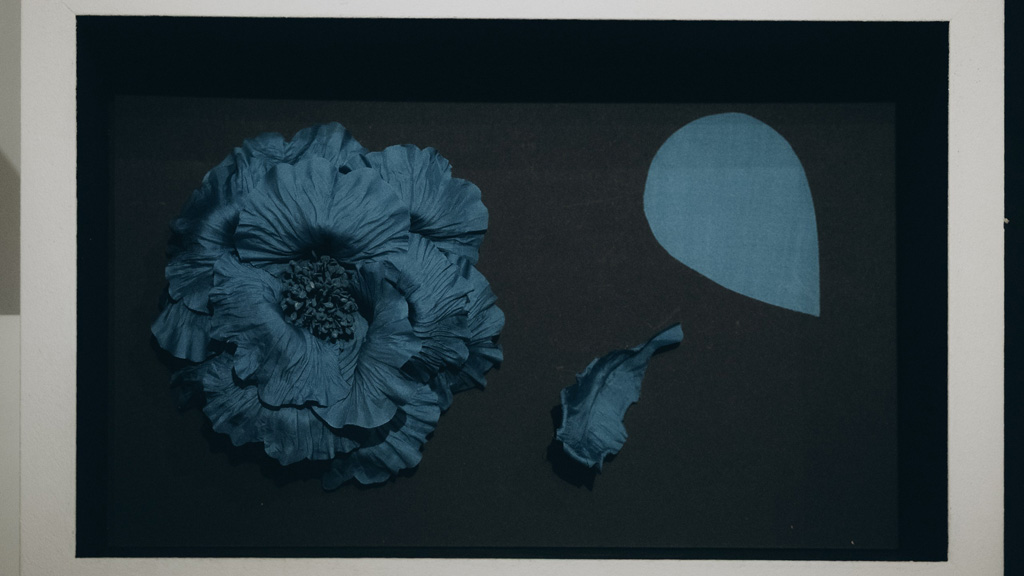
Thematic sections explore the motif of the flower, its representation in fashion, and its metaphorical associations with femininity, while also addressing global cultural exchanges that have influenced fabric design.
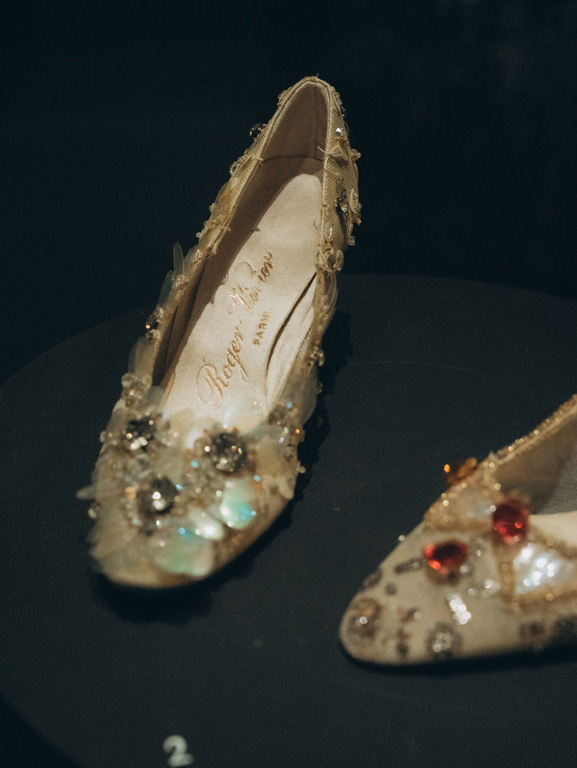
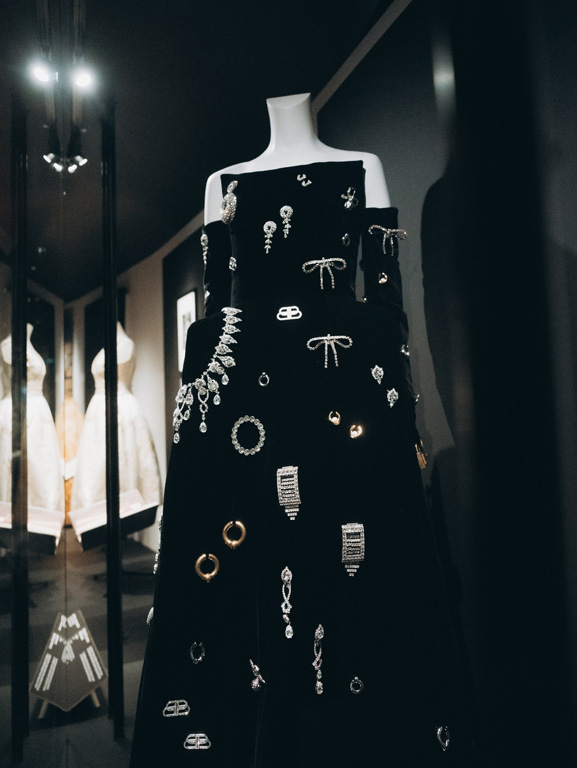
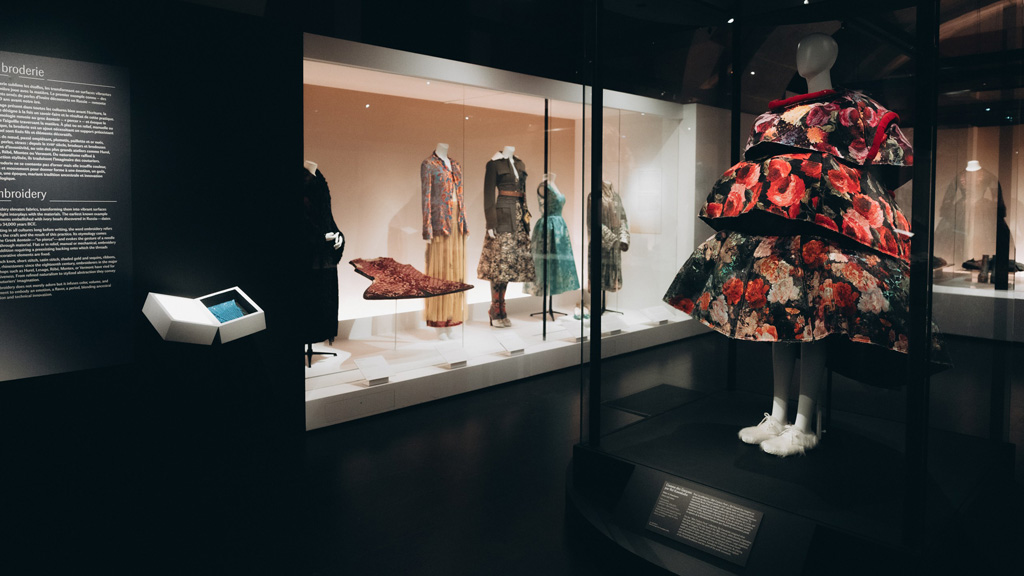
This outstanding collection follows 3 successful showcases that have enhanced the museum’s archives and will feature over 350 pieces (among such brands like Dior, Gucci, Chanel, Van Cleef & Arpels, Balenciaga, Schiaparelli, and Roger Vivier), including textiles, garments, and graphic arts, revealing the artistry behind haute couture and contemporary fashion.
The exhibition aims to honor historical figures Lesage and Hurel, whose contributions have often been overlooked, paralleling literary figures such as Baudelaire and Leblanc to highlight the cultural significance of fashion.
Key artisans and workshops, including Lefebure, Rébé, Hurel, and Montex featured, showcasing their innovative techniques and contributions to the world of embroidery and lace.
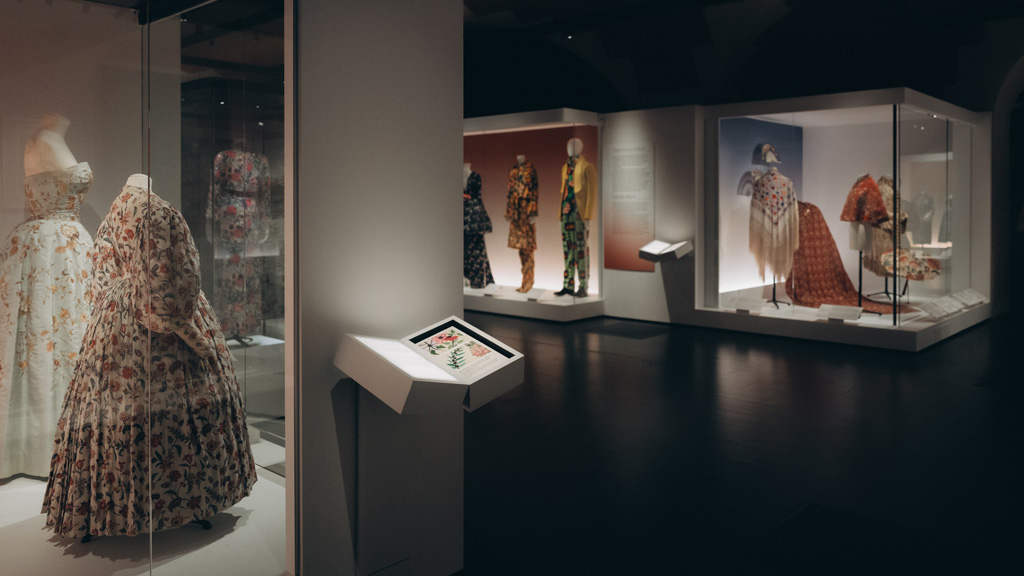
GALLERY OF TECHNIQUES
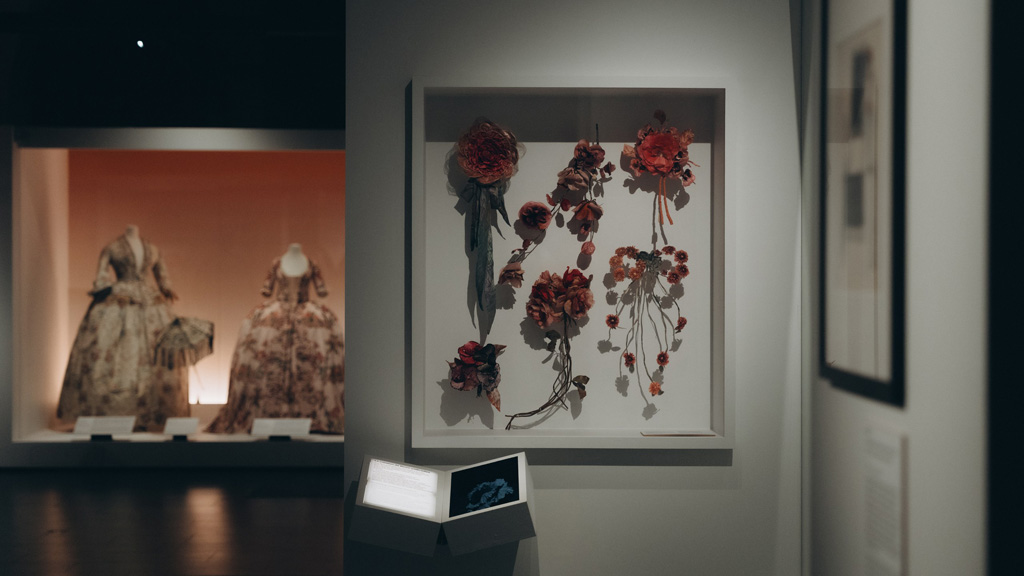
All in Bloom
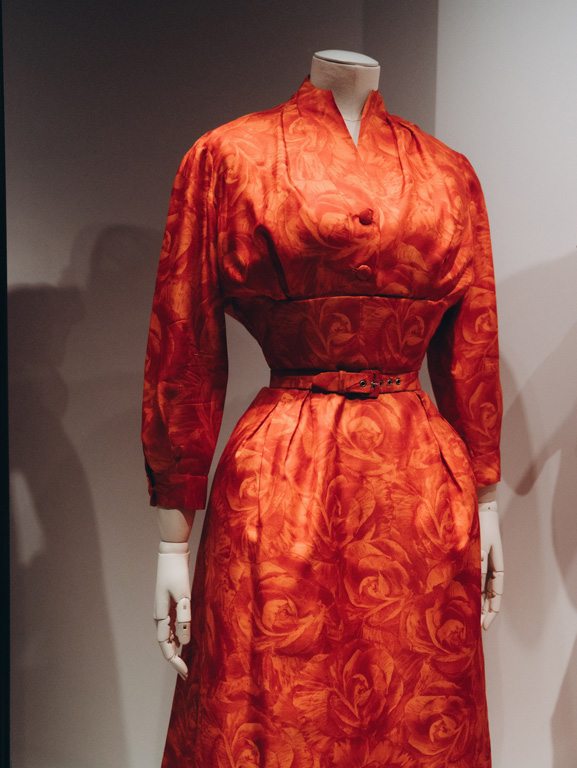
The variations of volumes, textures, and colors offered by flowers are infinite. Their ephemeral nature makes them a favored motif – a mirror to fashion. Floral decorations have appeared throughout history on various fabrics.
The Class of the Flower
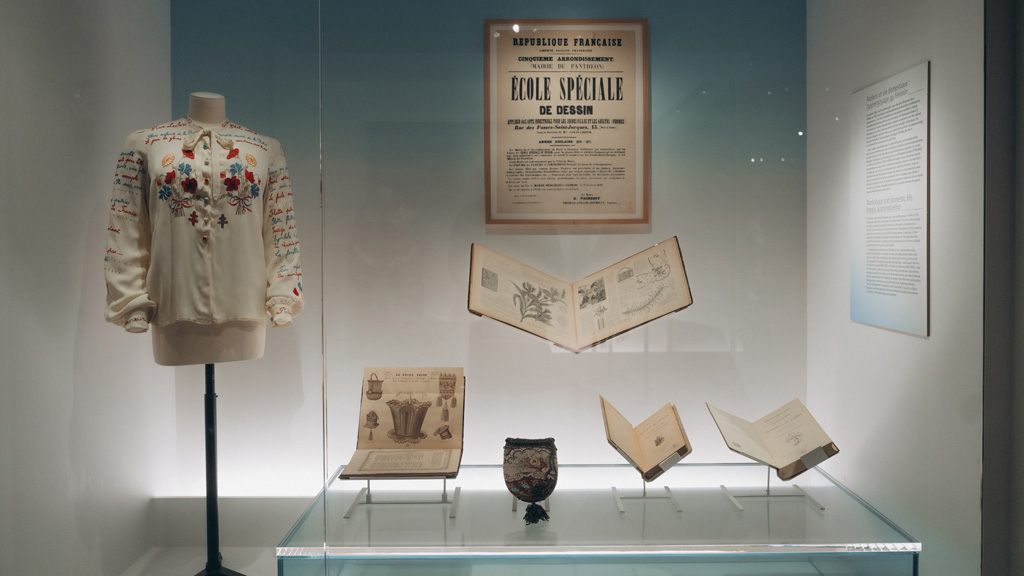
At the Academy of Fine Arts, painters specializing in botanical representation are called “florists.” This requires high technical skill and knowledge of plant species. Pierre-Joseph Redouté, known for his illustrated plates, worked at the Natural History Museum.
Universal Gardens
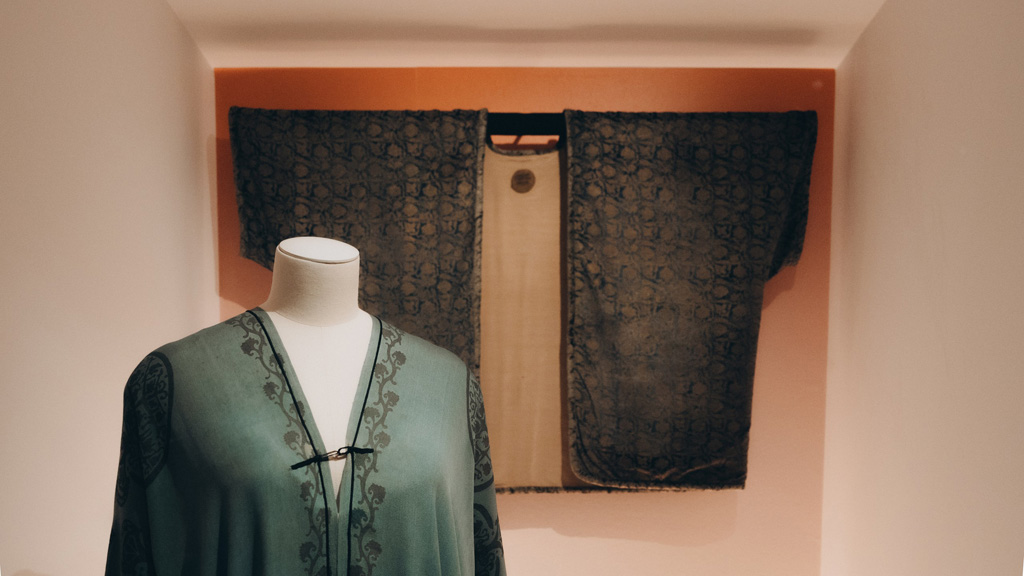
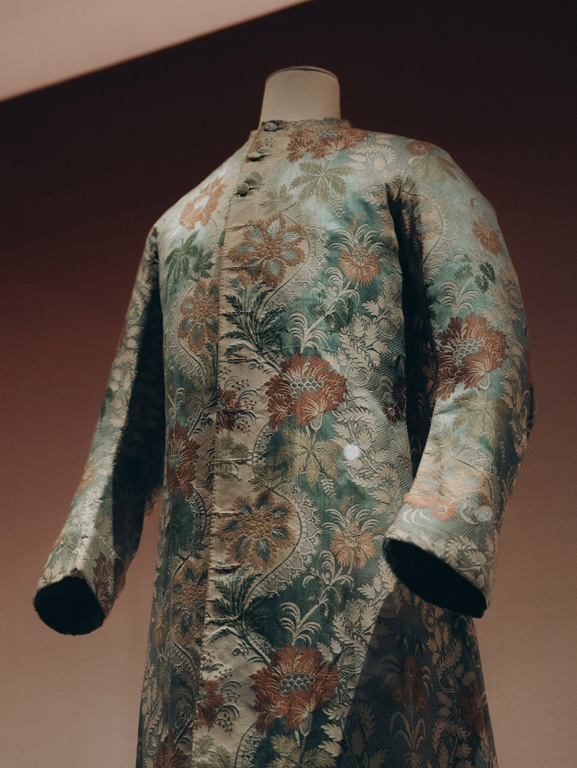
The circulation of woven, printed, or embroidered fabrics began with the Silk Road and intensified during the modern period, driven by commercial expansion. The 1700-1800s saw Indian and Chinese fabrics rise as markers of elegance.
Workshops and Domestic Lives
Philosopher Jean-Jacques Rousseau noted that little girls are “constantly seeking new combinations of ornaments,” shaping educational concepts in 18th-century France.
Weaving
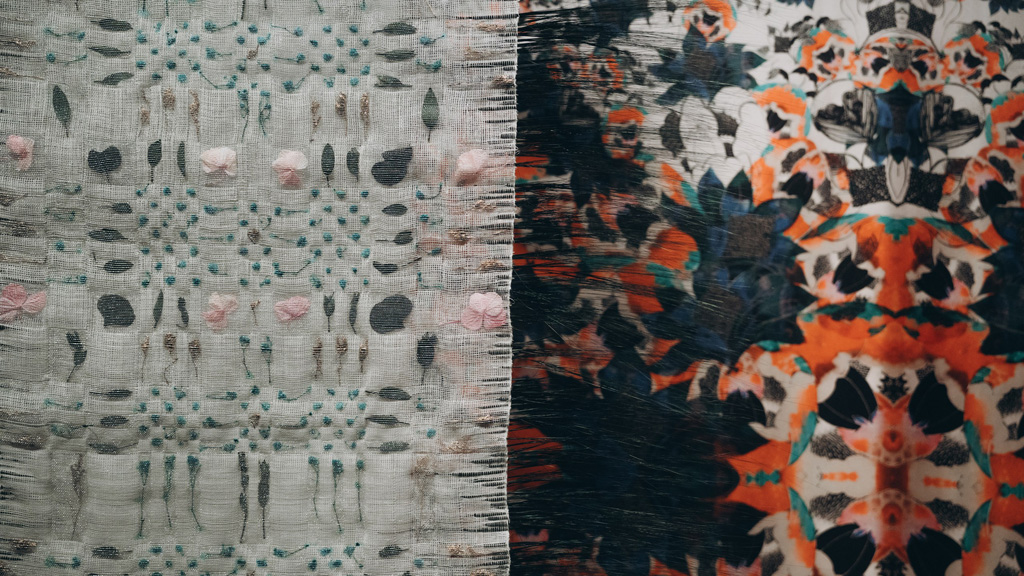
Dating back at least 7,000 years, weaving involves interlacing threads to create fabric. Techniques like the selvedge add color, the float creates patterns, and brocade forms relief.
Embroidery
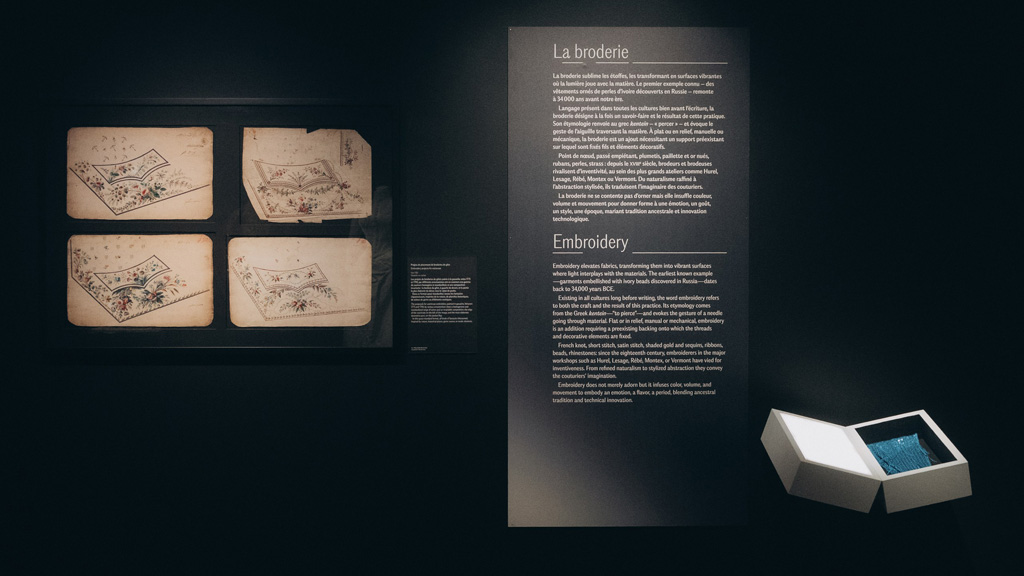
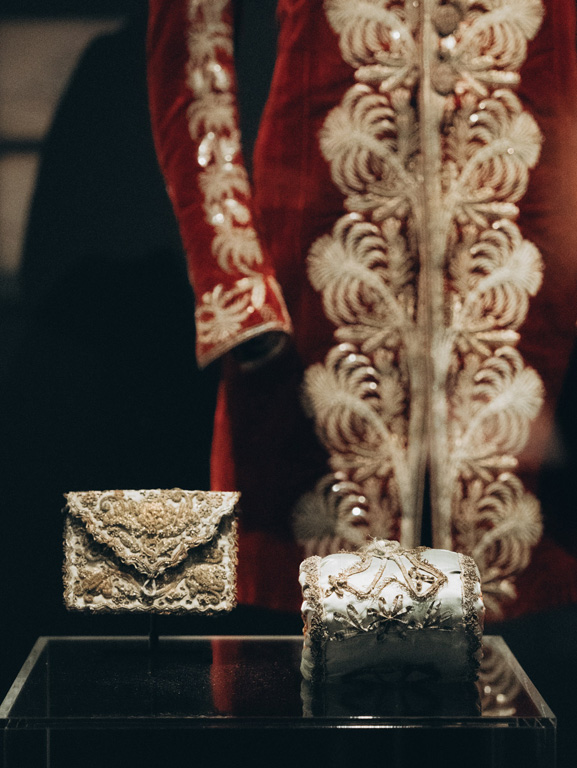
Embroidery transforms fabrics into vibrant surfaces where light interacts with the material. The earliest known example – garments with ivory beads – dates back to 34,000 years ago.
Dyeing and Printing
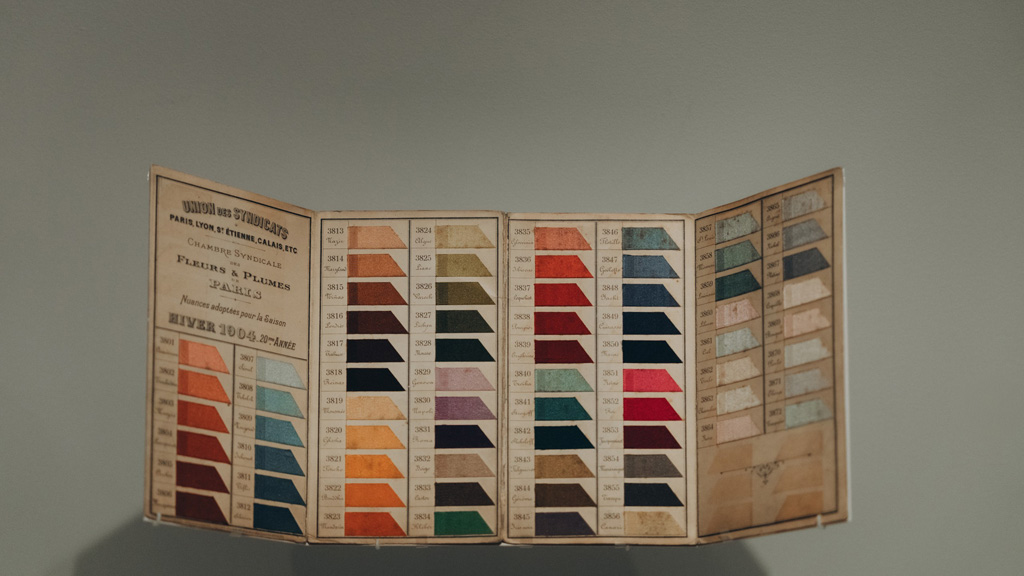
Dyeing threads or fabrics is the oldest decoration method. In the 17th century, indigo dyeing was introduced to Europe, combining dyeing with wax reserves and printing techniques.
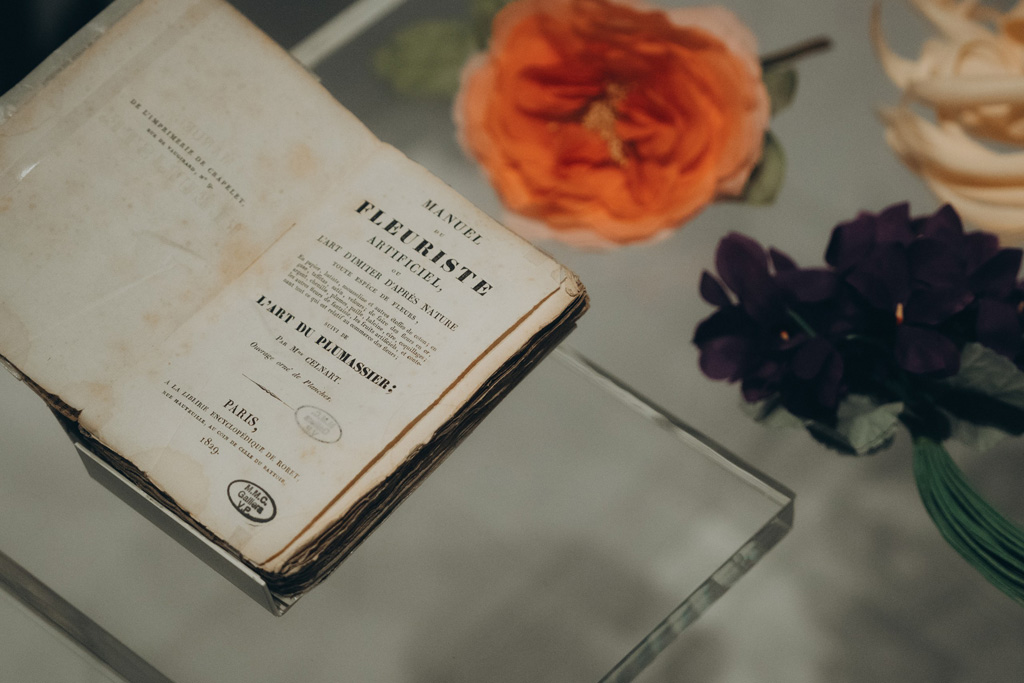
Artificial Flowers
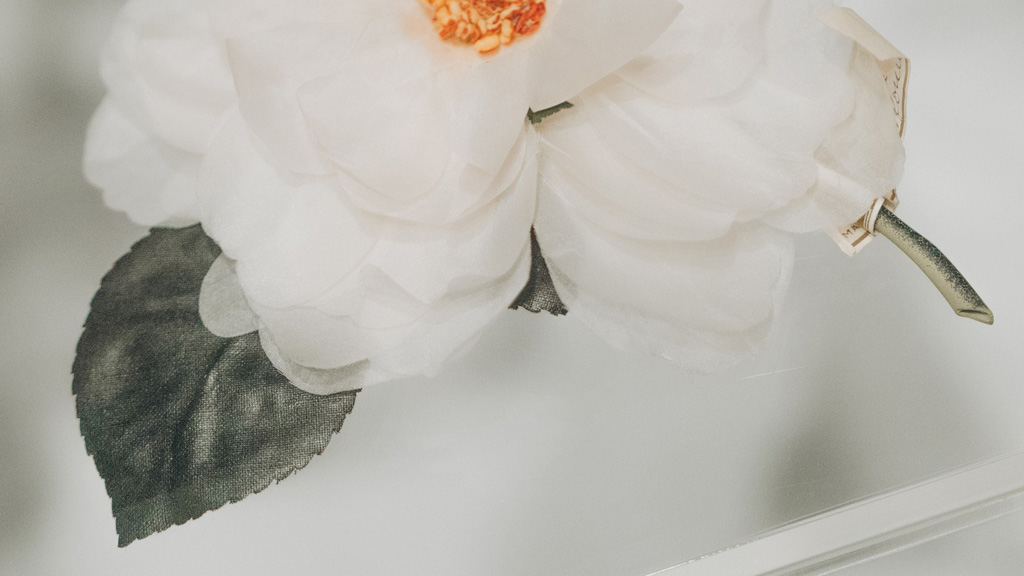
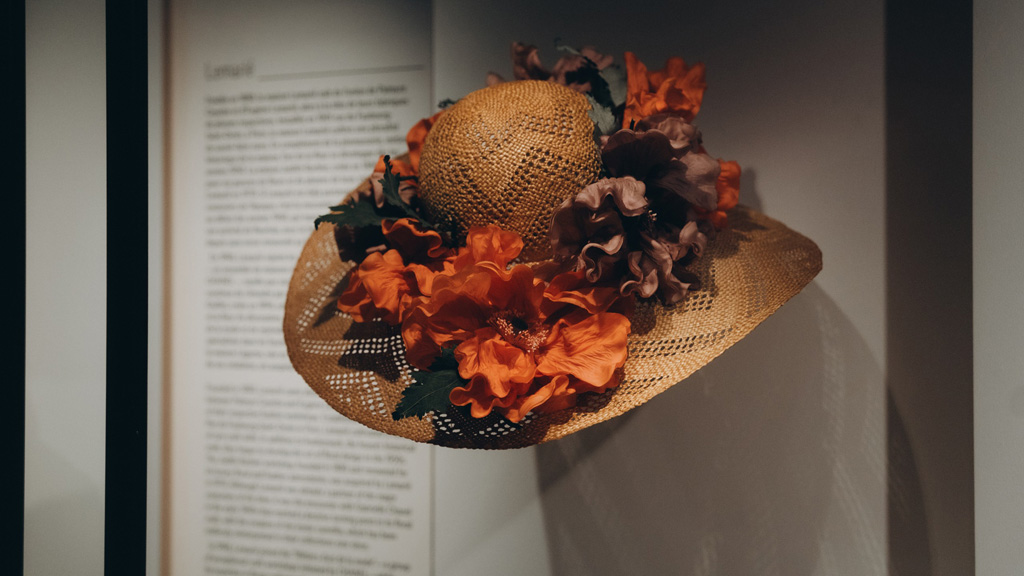
Since the Middle Ages, making artificial flowers has evolved significantly, reflecting a taste for botany and natural history.
Lace
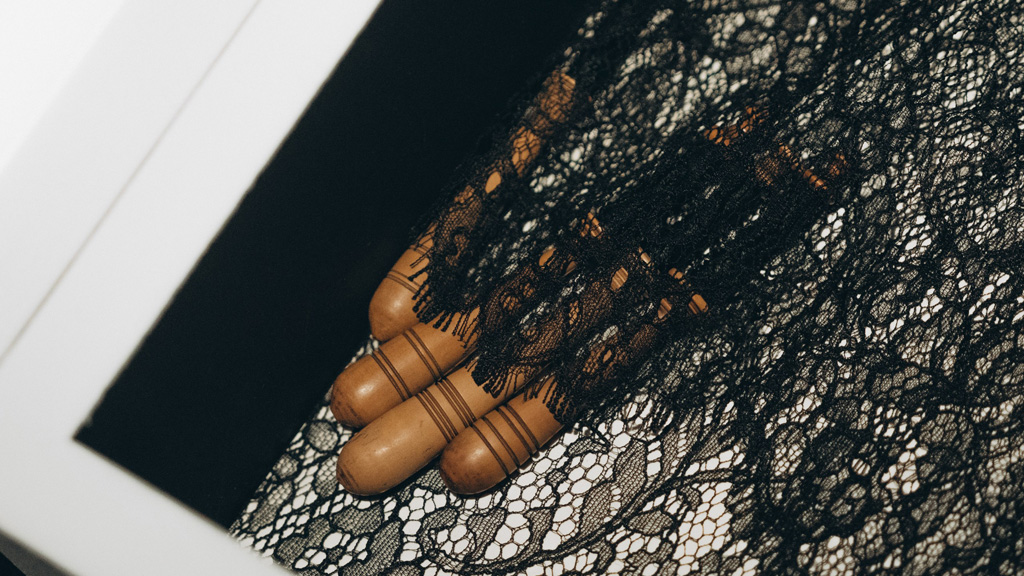
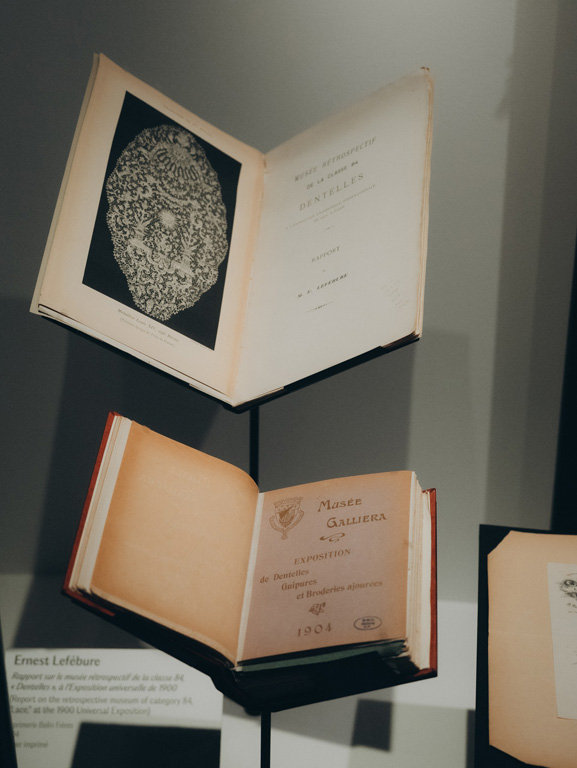
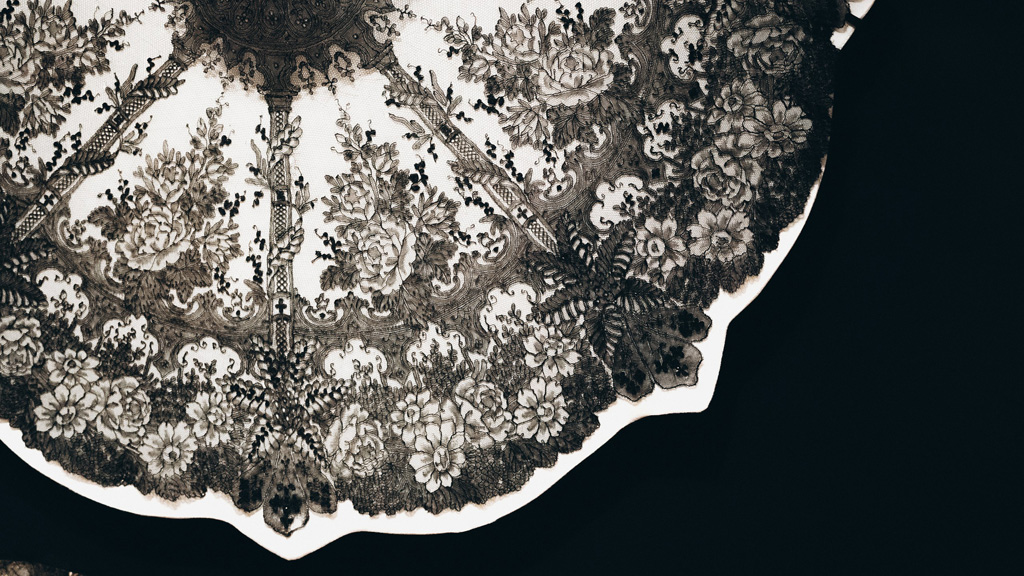
Lace is an openwork fabric made with a needle or bobbins, requiring extensive learning. Due to production delays, handmade lace became one of the most expensive clothing adornments since the 16th century.
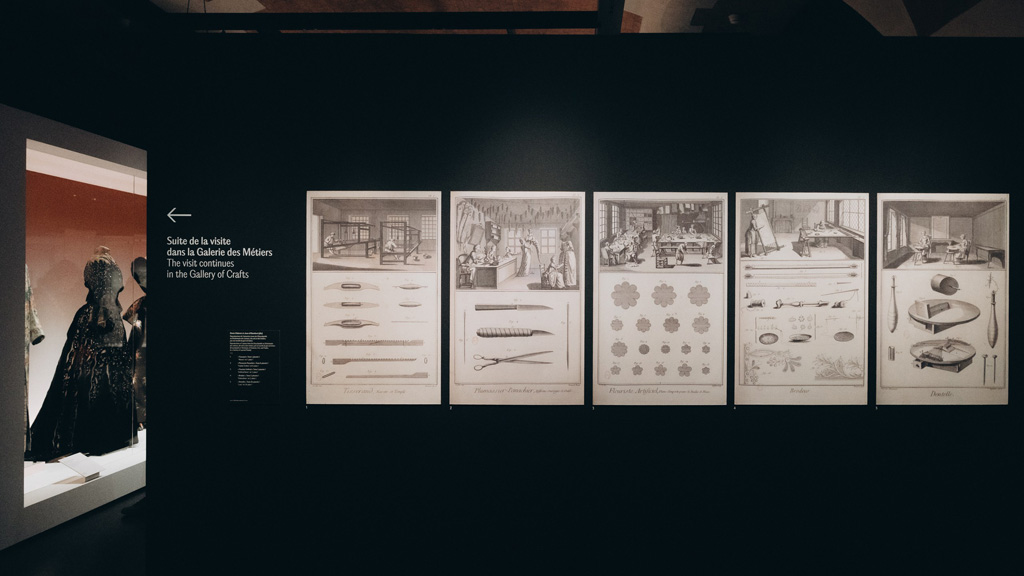
GALLERY OF TRADES
Textile Creators
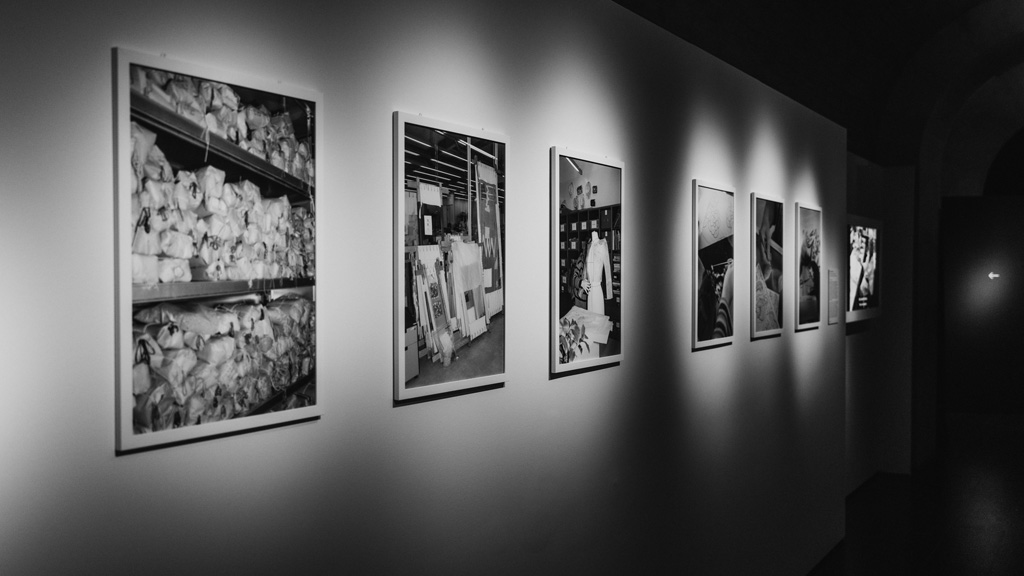
The organization of Parisian haute couture since the mid-19th century combines various knowledge and techniques under one name. The couturier’s genius orchestrates these skills for a common work.
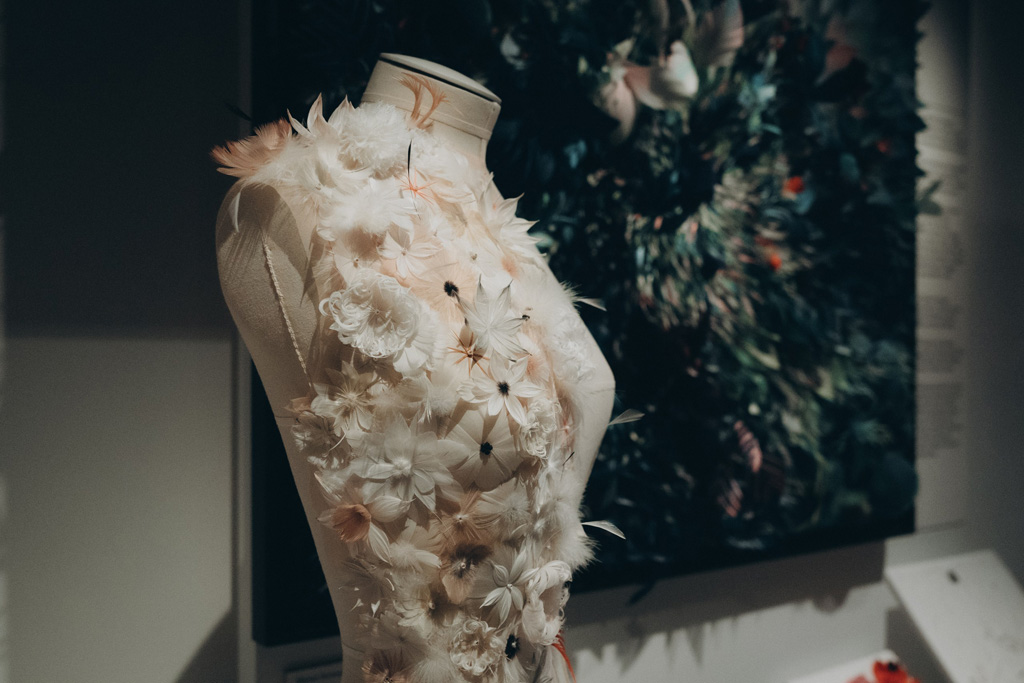
Feather Workers and Florists
The House of Vermeulen, founded in 2014 by Julien Vermeulen, represents a reimagined vision of featherwork, turning ornamental feathers into artistic material.
Lacemakers
The Lefébure House, active from 1829 to 1932, was known for exceptional quality and diversity in Bayeux lace.
Accessory Makers
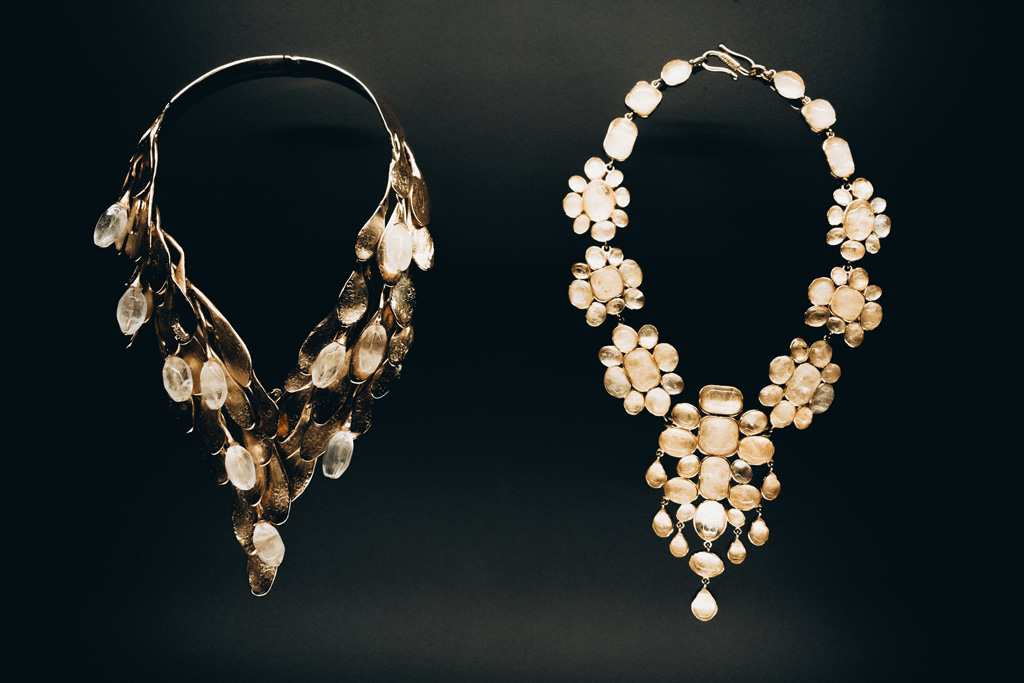
In 1929, the House of Desrues opened on Rue Amelot in Paris, quickly gaining recognition for its artisans’ sought-after skills.
Embroiderers
Founded in 1907 by René Bégué and his wife Andrée, the Parisian workshop Rébé became well-known through collaborations with prestigious couture houses.
“WEAVING, EMBROIDERING, EMBELLISHING. The Crafts and Trades of Fashion” promises to be a rich exploration of ornamentation in fashion, reflecting broader cultural narratives and inviting visitors to appreciate the intricate beauty and historical depth of fashion’s narrative.
10 av. Pierre 1er de Serbie 75116 Paris
Subscribe to Backstage FCA YouTube channel